Inversions
A temperature inversion is a layer in the atmosphere where the temperature increases with altitude, instead of decreasing as is usual in the troposphere. This means there is a layer of warmer air situated above a layer of colder air.
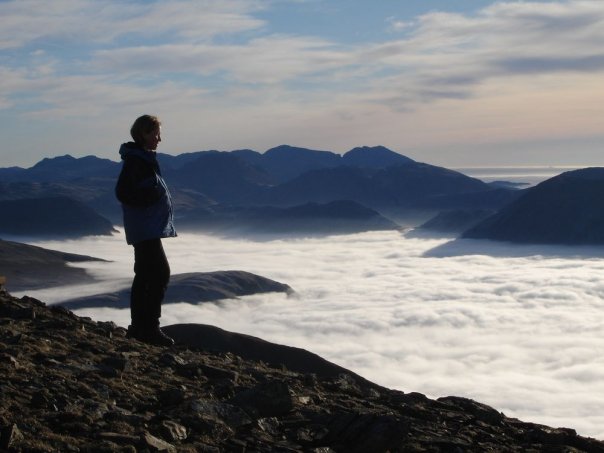
Characteristics and Stability
- Inversions act as a "lid" on the atmosphere, creating an extremely stable layer.
- They inhibit vertical air movement and mixing between layers.
Common Types
- Radiation Inversion (Nocturnal):
- Occurs on clear, calm nights (especially in winter or deserts).
- The ground cools rapidly by radiation, cooling the air in contact with it.
- Result: Cold air stuck to the ground with warmer air above.
- Valley Inversion:
- Cold air from mountain slopes descends by gravity to the valley floor (katabatic wind).
- Cold air accumulates at the bottom, displacing warmer air upwards.
- Frontal Inversion:
- Occurs when a warm air mass rises over a cold air mass (warm front).
Effects and Hazards for Aviation
1. Wind Shear
Due to the lack of vertical mixing, the wind below the inversion can be very different (usually calm or light) from the wind above the inversion (which can be strong).
- When crossing the inversion layer (takeoff or landing), a sudden change in wind speed and direction may be encountered.
- If the ATIS reports a temperature inversion, the possibility of low-level wind shear should be anticipated.
2. Aircraft Performance
Performance depends on air density (and therefore temperature).
- Climbing through an inversion: As the aircraft climbs, it enters warmer, less dense air.
- Effect: Decreased performance (lower thrust and lift).
- Descending through an inversion: As the aircraft descends, it enters colder, denser air.
- Effect: Increased performance (higher thrust and lift).
3. Visibility
The inversion acts as a lid that traps pollutants, smoke, dust, and moisture in the lower layers.
- Below the inversion: Reduced visibility (haze, smoke, fog).
- Above the inversion: Generally excellent visibility.
4. Fog
Radiation inversions are frequently associated with the formation of radiation fog at the surface.