Air Cargo Types: General, Special, Dangerous Goods, and ULD Use
General Cargo
Standard freight that does not require special handling or precautions (e.g., clothes, machinery parts).
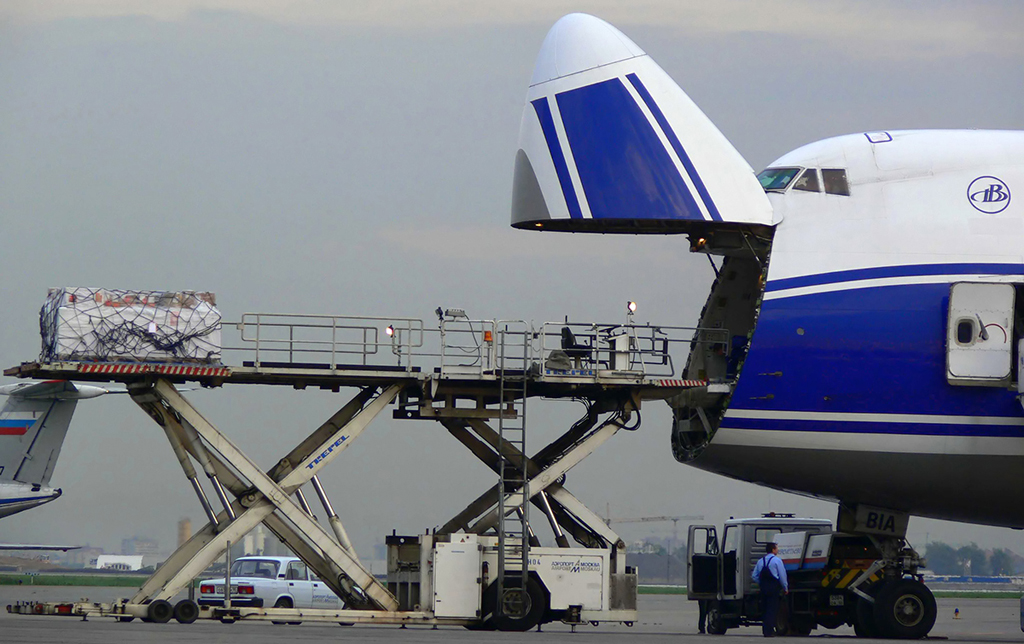
Special Cargo
Requires specific handling, loading, or notification procedures.
- Live Animals (AVI): Requires ventilation, temperature control, and specific container types. IATA Live Animals Regulations (LAR) apply.
- Perishables (PER): Food, flowers, etc. May require refrigeration.
- Human Remains (HUM): Transported in coffins or urns.
- Valuables (VAL): High-value items requiring security escort.
- Heavy Cargo (HEA): Exceeds standard weight limits per piece, requiring special loading equipment.
Dangerous Goods (DG)
Articles or substances capable of posing a risk to health, safety, property, or the environment.
- Regulated by ICAO Technical Instructions and IATA Dangerous Goods Regulations (DGR).
- Classes:
- Explosives
- Gases
- Flammable Liquids
- Flammable Solids
- Oxidizing Substances
- Toxic/Infectious Substances
- Radioactive Material
- Corrosives
- Miscellaneous (e.g., Lithium batteries)
Unit Load Devices (ULD)
Standardized containers or pallets used to consolidate cargo.

- Pallets: Flat aluminum bases with nets.
- Containers (AKE, AKH): Enclosed aluminum/fiberglass boxes shaped to fit the aircraft hold.
- Benefits: Faster loading/unloading, protection of cargo, efficient space utilization.